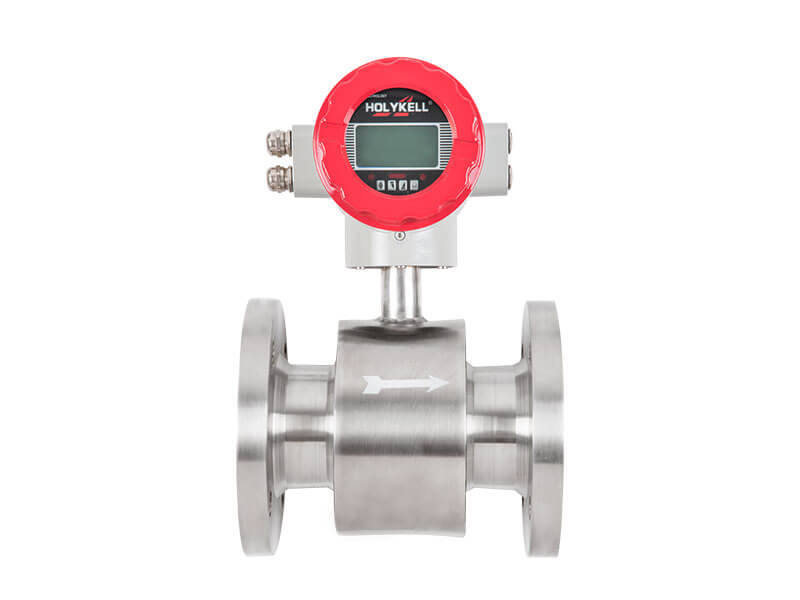

Flow measurement is used across many industrial systems, from compressed air lines and ventilation systems to cooling circuits, pumps, tanks, process lines and liquid transfer applications. Although the basic goal is to monitor movement through a system, air and liquid flow applications have very different requirements.
Choosing the wrong flow sensor or switch can lead to inaccurate readings, poor control, false alarms or equipment damage. For South African industrial environments, where plants may operate under demanding conditions, correct flow component selection is important for both reliability and process performance.
This guide explains the difference between air and liquid flow measurement and outlines what engineers, maintenance teams and OEMs should consider before selecting a flow sensor or switch.
What is flow measurement?
Flow measurement refers to the process of measuring or detecting the movement of a medium through a pipe, duct, channel or system. The medium may be air, gas, water, oil, coolant, chemicals or another process fluid.
In automation and control systems, flow information may be used to:
- Confirm that flow is present
- Trigger an alarm when flow stops
- Monitor process volume
- Protect pumps or equipment
- Control dosing or transfer processes
- Monitor compressed air or ventilation systems
- Track liquid usage or circulation
- Support process efficiency
Depending on the application, the system may require a flow switch, flow sensor or flow transmitter.
Flow switch vs flow sensor
A flow switch is typically used to detect whether flow is present or whether it has reached a set point. It often provides an on/off signal.
A flow sensor or transmitter may provide a measured output that represents the flow rate. This can be useful where the system needs continuous monitoring or control.
In simple terms:
- A flow switch answers: “Is flow present?”
- A flow sensor answers: “How much flow is present?”
- A flow transmitter sends flow information to a control or monitoring system.
Before selecting a product, it is important to understand which type of information the system needs.
Air flow measurement applications
Air flow measurement is common in compressed air systems, ventilation systems, extraction systems, drying processes and pneumatic applications.
Air flow monitoring may be used to:
- Confirm ventilation flow
- Monitor compressed air usage
- Detect blocked filters
- Confirm extraction performance
- Protect air-driven equipment
- Monitor cooling airflow
- Support process consistency
Air behaves differently from liquid. It is compressible, and changes in pressure and temperature can affect measurement. This means air flow applications must consider pressure, line size, temperature and expected flow range.
Recommended Products:
Flow Air: https://switches.co.za/product-category/flow-air/
Liquid flow measurement applications
Liquid flow measurement is used in water systems, cooling circuits, process lines, dosing systems, pump protection, chemical transfer and industrial cleaning systems.
Liquid flow monitoring may be used to:
- Confirm coolant circulation
- Monitor water flow
- Protect pumps from dry running
- Confirm liquid transfer
- Support dosing accuracy
- Detect blocked lines
- Monitor process consumption
- Trigger alarms for low-flow conditions
Liquids introduce different considerations, such as viscosity, density, pressure, temperature, contamination, chemical compatibility and installation orientation.
Recommended Products:
Flow Liquid: https://switches.co.za/product-category/flow-liquid/
Key selection factor 1: medium type
The first question is simple: what medium is being measured?
Air, water, oil, coolant and chemicals may all require different flow measurement approaches. A component suited to clean water may not be suitable for oil or chemicals. A device designed for air may not be suitable for liquid.
When requesting a recommendation, provide:
- Medium type
- Clean or contaminated medium
- Temperature
- Pressure
- Viscosity
- Chemical compatibility requirements
- Pipe size or connection details
This information helps avoid incorrect specification.
Key selection factor 2: flow range
Every flow sensor or switch has an operating range. If the actual flow is below or above that range, the device may not perform correctly.
Overspecifying or underspecifying can both create problems. A device selected for a much higher range may not detect low flow accurately. A device selected for too low a range may not handle peak flow.
For industrial applications, it is useful to know:
- Minimum flow
- Normal operating flow
- Maximum flow
- Whether flow is constant or variable
- Whether the system needs alarm points or continuous monitoring
Key selection factor 3: pressure and temperature
Pressure and temperature can affect both the medium and the measuring device. Liquid systems may involve pressure spikes, pump cycling or temperature variation. Air systems may involve compressed air pressure changes or heated airflow.
Before choosing a flow component, confirm whether the application includes:
- High pressure
- Pressure spikes
- High temperature
- Temperature cycling
- Steam or hot water
- Compressed air
- Aggressive media
In some applications, pressure monitoring may also be useful alongside flow measurement.
Recommended Products:
Pressure/Vacuum Sensors & Switches: https://switches.co.za/product-category/pressure-vacuum-sensors-switches/
Key selection factor 4: output signal and integration
Flow devices may be connected to PLCs, controllers, alarms or display units. The required output signal must match the control system.
Common considerations include:
- Digital output
- Analogue output
- 4–20mA signal
- 0–10V signal
- Relay output
- Display requirement
- Alarm or setpoint requirement
If the system needs to monitor two values, compare signals or display process information locally, a display/controller option may be useful.
Recommended Product:
Kappa-M Dual Input: https://switches.co.za/product/kappa-m-dual-input/
Flow measurement in South African industry
Flow measurement is relevant across South African manufacturing, mining, food and beverage, water treatment, process control and OEM environments. Applications may range from compressed air monitoring in factories to coolant flow in machinery and water flow in process plants.
Because local industrial environments can include dust, heat, vibration, moisture and maintenance constraints, component reliability and correct specification are important. Choosing a flow product based only on price can lead to inaccurate readings or unnecessary downtime.
Recommended Products:
- Flow Air: https://switches.co.za/product-category/flow-air/
- Flow Liquid: https://switches.co.za/product-category/flow-liquid/
- Pressure/Vacuum Sensors: https://switches.co.za/product-category/pressure-vacuum-sensors-switches/
- Kappa-M Dual Input: https://switches.co.za/product/kappa-m-dual-input/
- Display Controllers: https://switches.co.za/product-category/electronic-display-controllers/
FAQs
What is the difference between an air flow sensor and a liquid flow sensor?
Air flow sensors are designed for gases or air movement, while liquid flow sensors are designed for fluids such as water, oil or coolant. The medium affects sensor selection.
When should I use a flow switch?
Use a flow switch when you need to confirm whether flow is present or whether it has reached a set point.
When should I use a flow sensor?
Use a flow sensor when you need continuous measurement or more detailed flow information.
What information is needed to choose a flow component?
Provide the medium, flow range, pressure, temperature, pipe size, output signal and application purpose.
Need help choosing a flow sensor or flow switch?
Tell Switches International your medium type, flow range, pressure, temperature and output requirements. Our team can help match your application to a suitable air or liquid flow solution.