
Choosing the right sensor is one of the most important decisions in industrial automation. A sensor may be small, but it can determine whether a machine sequence runs correctly, whether a product is counted accurately, or whether a line stops unexpectedly.
Two of the most common sensor types used in automation are proximity sensors and photoelectric sensors. Both are used for detection, but they work in different ways and are suited to different applications.
For South African manufacturing, packaging, mining, logistics and food production environments, selecting between proximity and photoelectric sensors should be based on the target material, sensing distance, line speed, environment, mounting position and control system requirements.
This guide explains the difference between proximity and photoelectric sensors and gives practical advice on when to use each.
What is a proximity sensor?
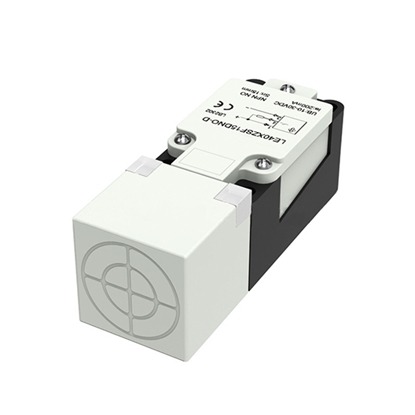
A proximity sensor detects the presence of an object without physical contact. In industrial automation, inductive proximity sensors are commonly used to detect metal objects.
They are often used where mechanical contact is not practical or where high repeatability is required.
Typical proximity sensor applications include:
- Detecting metal targets
- Confirming machine part positions
- Monitoring actuator movement
- Detecting metal cans or components
- Position feedback on conveyors
- End-of-travel detection
- Machine cycle confirmation
Because there is no physical contact, proximity sensors can help reduce wear in high-cycle applications.
Recommended Product:
Proximity Sensors: https://switches.co.za/product-category/proximity/
What is a photoelectric sensor?
A photoelectric sensor, also known as an optical sensor, uses light to detect an object. It can detect many types of materials, depending on the setup and sensor type.
Photoelectric sensors are commonly used for product detection, counting and positioning on production and packaging lines.
Typical applications include:
- Detecting bottles, cartons and containers
- Counting products on conveyors
- Label detection
- Packaging alignment
- Detecting non-metal objects
- Checking product flow
- Triggering reject mechanisms
Photoelectric sensors are often useful where products move quickly or where the target is not metal.
Recommended Products
Optical Sensors: https://switches.co.za/product-category/optical/
Key difference: target material
The first question to ask is: what material do you need to detect?
If the target is metal, a proximity sensor may be suitable. If the target is plastic, cardboard, glass, paper, bottles, containers or packaging material, a photoelectric sensor may be more appropriate.
For example:
- A metal can on a conveyor may be detected with an inductive proximity sensor.
- A cardboard box may require a photoelectric sensor.
- A clear plastic bottle may require a carefully selected optical sensor.
- A metal machine part may be best detected with a proximity sensor.
The material, shape and surface of the target affect sensor performance.
Key difference: sensing distance
Proximity sensors usually have shorter sensing distances compared with photoelectric sensors. They are designed for close-range detection, especially where metal objects move near the sensor face.
Photoelectric sensors can often detect objects over longer distances, depending on the sensor configuration and target conditions.
In a conveyor application, this difference matters. If the sensor must detect objects from a distance, or across a conveyor width, a photoelectric sensor may be better. If the sensor is mounted close to a metal target, a proximity sensor may be more suitable.
Key difference: environment
Industrial environments are not always clean or stable. Dust, moisture, oil, vibration, reflective surfaces, temperature changes and washdown routines can all affect sensor performance.
Proximity sensors are often robust in harsh environments, especially where the target is metal and sensing distance is short. Photoelectric sensors may be affected by dust, dirt or lens contamination, but they are highly effective when correctly specified and maintained.
In food and beverage or packaging environments, optical sensors may need regular cleaning if product residue or moisture collects on the lens. In mining or heavy-duty environments, proximity sensors may be preferred where dust and impact risk are present.
For South African plants operating in dusty, wet or high-vibration conditions, environmental suitability should always be part of the sensor selection process.
Key difference: speed and accuracy
Photoelectric sensors are often used in fast-moving packaging and conveyor applications because they can detect objects quickly and accurately when correctly installed.
Proximity sensors are also repeatable, but they are generally used in more defined target positions, such as machine movement or metal part detection.
For high-speed counting of mixed products, photoelectric sensors are often a strong option. For machine position confirmation, proximity sensors may be more practical.
Common selection mistakes
Many sensor problems come from incorrect selection. Common mistakes include:
- Using a proximity sensor for a non-metal target
- Using an optical sensor where the lens becomes dirty quickly
- Ignoring sensing distance
- Ignoring target colour, reflectivity or transparency
- Choosing the wrong output type for the PLC
- Not considering IP rating
- Poor mounting and alignment
- Poor connector selection
- Failing to allow for vibration or product movement
These issues can result in false triggers, missed detections, line stops and unnecessary maintenance time.
When to use proximity sensors
Use proximity sensors when:
- The target is metal
- The sensing distance is short
- Non-contact position feedback is needed
- Mechanical wear should be avoided
- The application involves machine movement or metal components
- A rugged sensor is required in a defined position
Common industries include manufacturing, mining, packaging machinery, materials handling and process automation.
When to use photoelectric sensors
Use photoelectric sensors when:
- The target is non-metal
- Products move on a conveyor
- Counting or object detection is required
- Longer sensing distance is needed
- The application involves cartons, bottles, labels or packaging
- Product presence needs to be confirmed at speed
Common industries include packaging, food and beverage, logistics, manufacturing and product handling.
Recommended Products
- Proximity Sensors: https://switches.co.za/product-category/proximity/
- Optical Sensors: https://switches.co.za/product-category/optical/
- Cable Connectors: https://switches.co.za/product-category/cable-connectors/
- Limit Switches: https://switches.co.za/product-category/limit/
FAQs
Are proximity sensors and photoelectric sensors interchangeable?
Not always. Proximity sensors are typically used for close-range detection of metal targets, while photoelectric sensors are better suited to many non-metal and conveyor-based detection tasks.
Which sensor is better for packaging lines?
Photoelectric sensors are often used for packaging lines because they can detect cartons, bottles, labels and containers. Proximity sensors may still be used for metal detection or machine position feedback.
Which sensor is better in dusty environments?
It depends on the application. Proximity sensors may perform well where the target is metal. Photoelectric sensors can be affected if dust blocks or interferes with the light path.
Can Switches International help choose the correct sensor?
Yes. The team can recommend sensor options based on target material, sensing distance, environment, output type and control system requirements.
Not sure whether your application needs a proximity sensor or a photoelectric sensor?
Send Switches International your target material, sensing distance, line speed, environment and PLC input type. Our team can help recommend the right detection solution.