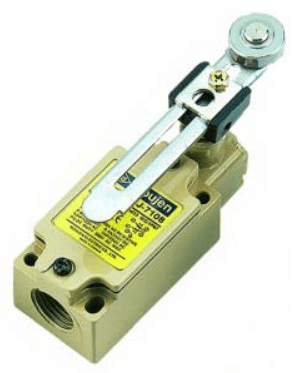

Limit switches are basic building blocks of industrial automation – simple devices that tell your controller whether a moving part has reached a physical point. But not all limit switches are built the same. Two broad families you’ll encounter are mechanical limit switches and inductive or magnetic proximity limit switches. Picking the right type matters for reliability, safety, maintenance, and total cost of ownership.
Here’s a clear, engineer‑friendly way to understand how they differ, when one is better than the other, and what to watch for when selecting hardware for harsh South African plants.
1) What they are, at a glance
Mechanical limit switches
- Use physical contact: a roller, plunger, lever or similar actuator touches or is pushed by the moving machine part, flipping internal contacts.
- The tactile action is straightforward – mechanical motion → switch change.
- Very common on conveyors, doors, gates, presses, hoists, and safety interlocks.
Inductive or magnetic limit switches
- Use non‑contact sensing: the switch detects the presence of a metal part (inductive) or a magnetic actuator without physical contact.
- The sensing element sits behind a sealed face and detects a magnetic field or metal target within a small range.
- Ideal where dust, moisture, or mechanical wear might ruin a physical actuator.
2) Core differences that affect real‑world performance
A) Wear and maintenance
Mechanical
- Actuator and internal contacts see repeated physical impact.
- Dust, grit, debris and moisture can accelerate wear, especially on roller or plunger heads.
- Requires periodic inspection, cleaning, possible head replacement, or contact maintenance.
Inductive / magnetic
- No moving contact between the actuator and the sensed object – no physical rubbing on the switch face.
- Often sealed more tightly against dust and moisture (IP‑rated designs are common).
- Lower routine maintenance and fewer failures in dirty, wet, or abrasive zones.
B) Accuracy and repeatability
Mechanical
- Very precise end‑of‑travel indication when actuator geometry is set correctly.
- Slight mechanical misalignment or wear can introduce small errors over long service time.
- Excellent when the machine has a clearly defined physical stop or cam.
Inductive / magnetic
- Repeatability is governed by sensing range, target size, and mounting stability.
- Modern ferrous or magnetic targets can give repeatability on the order of fractions of a millimetre in good installations.
- Works well where the target passes close to the sensor without needing hard contact.
C) Environmental robustness
Mechanical
- Needs protection or periodic cleaning in environments with heavy dust, washdowns, or corrosive atmosphere.
- Protruding mechanical heads can be damaged by bumping or impact if not shielded or installed carefully.
Inductive / magnetic
- Typically sealed and rated for dust or moisture ingress; many models meet IP66/67 or higher.
- Better suited to washdowns, humid conditions, or dusty plants – common across mining, processing, and food/beverage lines.
3) When to choose each type
Choose mechanical limit switches when:
- The application has a well‑defined mechanical contact point—e.g., a conveyor stop bar, mechanical door latch, or a cam that physically hits the actuator.
- Immediate, positive mechanical confirmation is required and the installation space allows a robust actuator head.
- The environment is moderately clean, or the switch can be mounted inside a protective enclosure or behind guards.
- You want a proven, simple device that’s easy to understand for technicians and can be replaced quickly on site.
Choose inductive / magnetic switches when:
- The environment is very dusty, wet, or subject to washdown—or access for maintenance is poor.
- There is high vibration or heavy cycle use, and you want to minimise moving parts that can fatigue or wear.
- You need more sealed, compact designs for close mounting; for example, in tight machine frames or near conveyor chutes.
- Non‑contact switching reduces the chance of mechanical binding, jamming, or accidental damage.
4) Two concrete, South‑Africa‑relevant examples you can actually source
These illustrate each family, showing what to look for in spec and approvals. Both are tied to reputable brands supported locally via Switches International.
Example 1: a rugged inductive / magnetic proximity limit switch
Euroswitch FS Series Proximity Switch
Why this is a strong choice:
- High ingress protection and hazardous‑area approvals. The FS‑series models carry IP66/67, ATEX Ex d, and Zone 1/2, 21/22 capability, making them suitable for explosive or dusty atmospheres.
- Proven range and performance for metal or magnetic targets. Models such as those in the FS‑A family detect ferrous material with very tight repeatability, and can extend range with optional magnets or actuators—useful when precise mounting is tricky.
- Datasheet notes confirm ferrous target sensing, repeatability, and shock‑tolerant operation.
- Good local support and sourcing. Support comes through regional distributors with experience in industrial and hazardous environments, making it easier to select the exact variant for plant conditions.
Best applications:
- Conveyor guards, door interlocks in dusty processing plants
- Position sensing on equipment in washdown or humid areas
- Safety or monitoring loops where mechanical heads could be knocked or fouled
Tradeoffs / checks:
- Sensing range is short; requires careful mounting close to the metal or magnet target.
- Must plan actuator or magnetic target placement, especially when retrofitting onto older machines.
Example 2: a heavy‑duty mechanical limit switch family
Type‑MJ Precision Limit Switch
Why this is practical for many plants:
- Designed for industrial duty, metal enclosure, and sealed construction. The Type‑MJ page highlights dust‑proof, oil‑tight, and water‑resistant construction, providing a robust mechanical solution.
- Wide range of actuators and heads available. That allows easy adaptation to different mechanical interfaces: rollers, plungers, etc., matching conveyor profiles, door latches, or cam surfaces.
- Proven, simple mechanical action that technicians understand and can troubleshoot quickly onsite- especially useful where staff are experienced with mechanical hardware and may not have time for complex sensor tuning.
Best applications:
- Conveyor end stops or mechanical travel limits in medium‑duty plants
- Gates, flaps, or doors where a physical hit is unavoidable and easily engineered
- Situations where a clearly defined mechanical stop exists and mounting space allows a head or roller
Tradeoffs / checks:
- Requires some protection from very heavy dust or corrosive spray; regular inspection is prudent in harsh sites.
- A physical actuator can be accidentally hit or bent; install in a protected location or select a sturdier actuator head as needed.
5) Practical selection tips—how to decide in your plant
List the exact function:
- End‑of‑travel detection? Safety interlock? Cycle confirmation?
- Is the signal critical to safe operation, or mainly for monitoring?
Assess the environment:
- Dust, washdown, humidity, temperature extremes, vibration.
- If severe dust or washdown is routine, favour inductive/magnetic switches with strong IP or hazardous‑area certifications.
Check mechanical constraints:
- Space for actuator head or sensor body, mounting direction, and required sensing range.
- Physical guards or protective brackets may be needed for mechanical heads.
Evaluate maintenance access:
- If a machine is hard to reach or has long downtime costs, minimise maintenance by using non‑contact sensors where possible.
Align with control logic and safety requirements:
- Check electrical ratings, contact types, and whether the switch supports the control voltage and current.
- For safety loops, consider the level of certification, redundancy, or monitoring needed. Magnetic proximity switches from well‑certified series can support higher integrity functions when properly integrated.
Trial, then standardise:
- Install a small number of units in the chosen type first. Check for false trips, alignment issues, or cleaning needs.
- Once proven, standardise on a single series or family to simplify spares, training, and procurement.
6) Closing thoughts
Mechanical and inductive/magnetic limit switches serve the same basic purpose—telling a machine what position or state it’s in—but they do it differently. The best choice is the one aligned to your plant’s real conditions:
Mechanical for clearly defined, protected, and predictable mechanical actions.
Inductive / magnetic for dirty, wet, or hard‑to‑maintain environments where non‑contact operation reduces downtime and improves reliability.
By understanding the tradeoffs and matching the switch type to the environment, control needs, and maintenance realities, you’ll get more reliable signals, fewer surprises in the field, and smoother operations across your automation systems.
Explore Our Extensive Range of Switches
#LimitSwitch #ProximitySensor #IndustrialAutomation #MechanicalSwitch #InductiveSensor #Euroswitch #SwitchesInternational