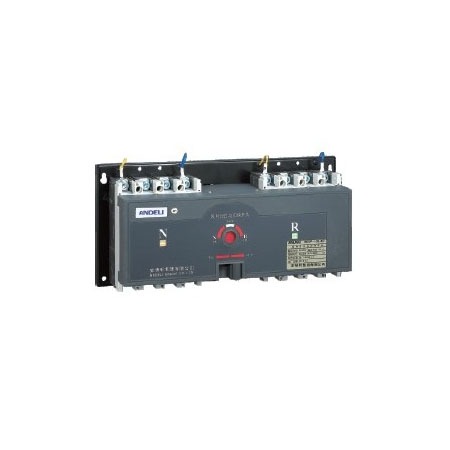
Backup power is only useful if electrical loads can be transferred safely and reliably from the normal supply to the alternative source.
Generators, alternative supply systems and standby power arrangements therefore require more than a backup energy source. They also require a method of transferring the load. This is where change-over switches and automatic transfer switches play an important role. For South African commercial, manufacturing and industrial users, the choice between manual and automatic transfer depends on operational requirements, electrical design, critical loads and how quickly power needs to be restored. A manually operated switch may be entirely suitable for some installations. Other applications may require automatic transfer because equipment must resume operation without waiting for someone to intervene. Understanding the difference helps buyers specify a solution that matches the actual requirement rather than simply choosing the most sophisticated option available.What is a change-over switch?
A change-over switch allows an electrical load to be connected to one of two supply sources. A typical backup-power arrangement may have:- Normal mains supply
- Backup generator
- Change-over switch
- Electrical load
What is a manual change-over switch?
A manual change-over switch requires an operator to perform the transfer. A typical sequence may involve:- Normal supply fails.
- The generator is started.
- The operator verifies that the alternative supply is ready.
- The change-over switch is manually transferred.
- Loads are supplied from the generator.
- When mains power returns, the process is reversed.
- A brief interruption is acceptable
- Staff are available to operate the system
- Simplicity is important
- Automatic restoration is not necessary
- The application does not contain highly critical loads
What is an automatic transfer switch?
An Automatic Transfer Switch, or ATS, automates much of the source-transfer process. In a typical generator installation, the ATS can detect failure of the normal supply and initiate the transfer sequence. Depending on the system design, this may involve:- Detecting mains failure
- Signalling the generator to start
- Waiting for the generator to stabilise
- Transferring the load
- Monitoring the normal supply
- Transferring back when mains conditions are acceptable
- Allowing the generator to cool down and stop
Manual vs automatic: the key difference
The fundamental distinction is not simply electrical. It is operational. A manual system asks: Can someone safely restore backup power when required? An automatic system asks: Does the process need the transfer to happen without waiting for an operator? That question should guide the decision.Where manual change-over may be appropriate
Manual change-over can work well for:- Workshops
- Smaller commercial buildings
- Non-critical industrial loads
- Equipment that does not require immediate restart
- Facilities where trained staff are always present
- Applications where cost and simplicity are priorities
Where automatic transfer may be more appropriate
ATS systems can be valuable where interruptions have greater operational consequences. Examples may include:- Production facilities
- Process equipment
- Pumps
- Building services
- Refrigeration
- Server or communications infrastructure
- Critical commercial operations
- Sites that may be unattended
Transfer transition methods
Different transfer systems can manage the transition between sources in different ways. The exact method should be chosen by the electrical designer according to the loads and sources involved. Common concepts include:Break-before-make
The existing source is disconnected before the alternative source is connected. This prevents the two sources from being connected simultaneously.Make-before-break
Some specialised systems may briefly overlap sources under controlled conditions. These applications require careful engineering and synchronisation.Delayed transition
A deliberate delay may be introduced between disconnecting one source and connecting another. This can be relevant for certain motor or inductive loads. The correct transfer approach depends on system design and should not be selected solely from a marketing description.What size change-over switch do you need?
Current rating is one of the most obvious factors, but it is not the only consideration. The system designer may need to consider:- Nominal current
- Voltage
- Number of poles
- Load type
- Motor loads
- Inrush current
- Generator capacity
- Fault level
- Switching duty
- Installation method
- Compliance requirements
Motor and inductive loads
Industrial equipment often includes:- Motors
- Pumps
- Compressors
- Fans
- Transformers
Which loads actually need backup power?
One of the best ways to improve a backup system is to define critical loads clearly. Rather than transferring an entire facility automatically, it may be more practical to prioritise:- Essential production equipment
- Control systems
- Safety systems
- Refrigeration
- Pumps
- Lighting
- Communications
- Critical IT infrastructure
Maintenance matters
Backup systems can remain unused for long periods. That makes routine testing important. Maintenance should consider:- Mechanical switch operation
- Electrical connections
- Control circuits
- Generator start signals
- Automatic transfer sequence
- Return-to-mains operation
- Visual signs of overheating
- Contact condition where applicable
Safety considerations
Change-over switches form part of electrical distribution systems. Installation and maintenance should therefore be carried out by suitably qualified personnel. Key risks can include:- Incorrect source isolation
- Back-feeding
- Undersized equipment
- Incorrect neutral arrangements
- Poor earthing
- Unsafe generator connection
- Incorrect protection coordination
Backup power in South African operations
South African businesses have invested heavily in alternative and backup power systems over recent years. Even where grid stability improves, generators and standby systems remain valuable for facilities where power continuity is operationally important. Manufacturing, commercial buildings, process plants, agricultural operations and infrastructure sites may all need structured transfer between normal and backup supplies. In these environments, the decision between manual and automatic transfer should be driven by:- Downtime tolerance
- Availability of trained staff
- Critical-load requirements
- Generator design
- Electrical safety
- Operational continuity
Recommended Products
Change Over Switches: https://switches.co.za/product-category/change-over-switches/ Products Overview: https://switches.co.za/switches-products/ For specific current ratings, configurations and product compatibility, contact the Switches International technical team.FAQs
What is the difference between a manual change-over switch and an ATS?
A manual change-over switch requires an operator to transfer the load. An ATS detects supply conditions and automates the transfer sequence according to its design.
Does an ATS provide uninterrupted power?
Not necessarily. A generator usually requires time to start and stabilise. Truly uninterrupted supply may require additional power-system components.
Can a change-over switch be used with a generator?
Yes. Generator-to-mains transfer is a common application, provided the system is correctly designed and installed.
How do I choose the correct current rating?
The electrical designer should consider load current, voltage, load type, inrush current, generator capacity and relevant protection requirements.
Should an automatic transfer system be tested?
Yes. Regular functional testing helps verify generator starting, transfer operation and return-to-mains performance.
Manual or automatic transfer – which is right for your application?
Send Switches International details of:
- Supply voltage
- Expected load
- Generator arrangement
- Manual or automatic requirement
- Number of poles
- Application type
- Critical-load requirement