
In food, beverage, and chemical processing environments, equipment failure doesn’t just mean downtime – it can mean contamination, compliance violations, and costly shutdowns.
Yet one of the most common specification mistakes we still see is this:
Using IP67-rated devices in high-pressure washdown environments where IP69K is required.
Let’s break it down – clearly and practically.
Understanding IP Ratings (Quick Refresher)
The Ingress Protection (IP) rating defines how well equipment is protected against:
- Solids (dust, particles)
- Liquids (water ingress)
Key Ratings in Washdown Environments:
Rating Protection Level
- IP67 Dust-tight + protected against temporary immersion (up to 1m)
- IP69K Dust-tight + protected against high-pressure, high-temperature washdown
The Critical Difference: Static vs Dynamic Water Exposure
IP67 – “Occasional Exposure”
Designed for:
- Splashing water
- Rain exposure
- Temporary submersion
Not designed for:
- High-pressure jets
- Hot water cleaning
- Chemical washdowns
IP69K – “Aggressive Washdown Protection”
Designed specifically for:
- High-pressure cleaning (up to 100 bar)
- High temperatures (up to 80°C)
- Close-range spray cleaning
- Chemical exposure (CIP processes)
Where This Matters (Real-World Applications)
Food Processing Plants
- Conveyor systems
- Meat and poultry lines
- Dairy processing
- Daily washdowns with hot water and chemicals
IP69K required
Beverage & Bottling Plants
- Filling lines
Packaging machinery - Cleaning-in-place (CIP) systems
- Frequent sanitation cycles
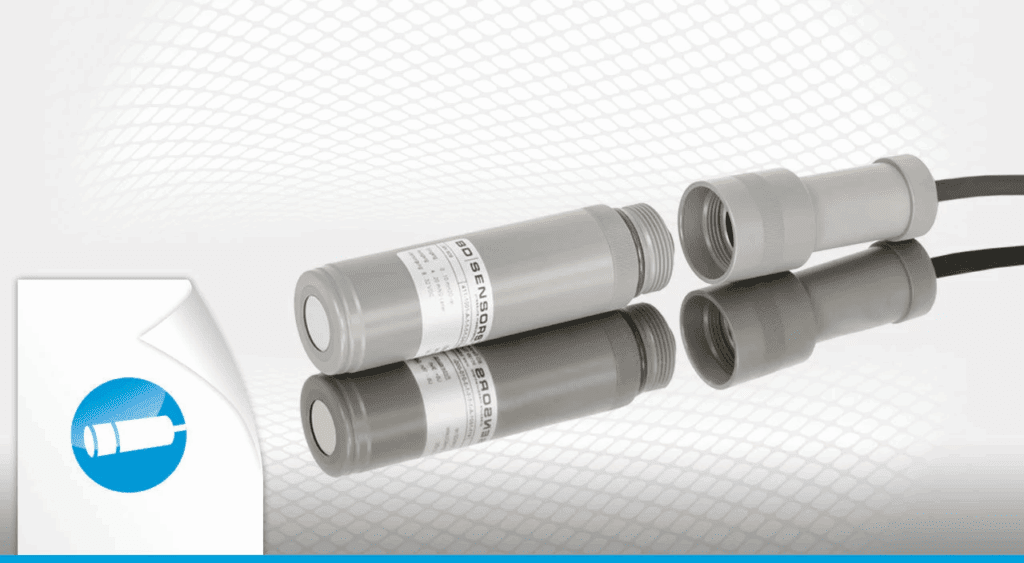
- BDS- Xact_ci Pressure Transducer
- BDS-214 Pressure-switch/Stainless
IP69K strongly recommended
Chemical & Pharmaceutical
- Mixing vessels
- Process tanks
- Corrosive washdowns
IP69K preferred for longevity
General Industrial / Light Washdown
- Warehouses
- Light cleaning zones
IP67 is usually sufficient
Common Mistake (Costly!)
- “IP67 is waterproof, so it should be fine.”
This is incorrect.
High-pressure jets can force water past seals that would otherwise perform perfectly under immersion conditions.
Result:
- Moisture ingress
- Sensor drift or failure
- Intermittent faults
- Unplanned downtime
Specification Guide (Quick Decision Rule)
Environment Recommended Rating:
- Dry / Dusty IP65 / IP67
- Occasional washdown IP67
- High-pressure cleaning IP69K
- Food & beverage processing IP69K
Selecting the Right Components (From Switches & Sensors)
When specifying for washdown zones, it’s not just about the rating – it’s about build quality, sealing integrity, and materials.
Limit Switches (IP-Rated Ranges)
Used for:
- Position detection
- End-of-travel monitoring
- Conveyor systems
What to look for:
- Stainless steel housings
- Sealed cable entries
- IP69K-certified enclosures
Ideal for harsh washdown machinery
Proximity Switches (IP-Rated Ranges)
Used for:
- Non-contact detection
- High-speed automation
- Hygienic environments
Benefits:
- No moving parts → longer lifespan
- Resistant to contamination
- Available in fully sealed IP69K variants
Temperature & Humidity Sensors (Washdown Zones)
Used for:
- Cold rooms
- Hygienic processing areas
- Environmental monitoring
Key requirements:
- Condensation resistance
- Chemical-resistant probes
- Hygienic design
Material Matters (Often Overlooked)
In washdown environments:
- 316 Stainless Steel > Plastic housings
- Food-grade seals > standard rubber
- M12 sealed connectors > open terminals
IP rating alone is not enough – material compatibility is critical
The ROI of Correct Specification
Choosing the right IP rating delivers:
- Reduced downtime
- Longer equipment lifespan
- Improved hygiene compliance
- Lower maintenance costs
- Audit readiness (HACCP / ISO)
Final Takeaway
If your equipment is exposed to:
- High-pressure cleaning + heat + chemicals
- Then the answer is simple: IP67 is not enough. You need IP69K
Need Help Specifying the Right Solution?
At Switches & Sensors, we help engineers and plant managers select the correct components for harsh environments.
Explore: