
Food & Beverage Automation Essentials: The Ultimate Components Checklist for Reliable, Hygienic, and Efficient Processing
In the fast-moving food & beverage industry, automation is no longer optional—it’s essential for maintaining:
- Product consistency
- Hygiene compliance
- Production efficiency
- Traceability
- Reduced downtime
From washdown environments to packaging lines, selecting the correct automation components directly impacts plant performance, safety, and profitability.
This guide breaks down the core industrial automation essentials every food and beverage facility should prioritise.
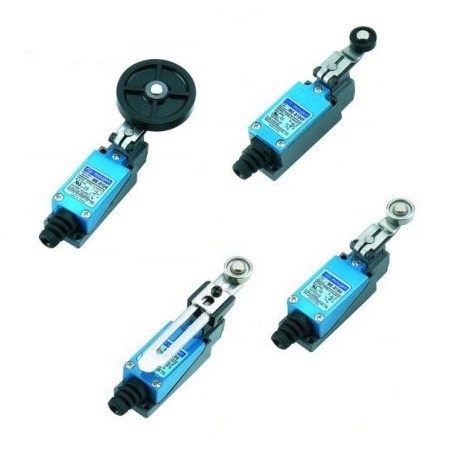
1. Limit Switches (Position Monitoring & Safety)
Role:
Used to detect:
- Valve position
- Conveyor position
- Machine door status
- End-of-travel movement
Benefits:
- Reliable machine sequencing
- Prevents mechanical overrun
- Supports operator safety
- Durable in harsh production zones
Key Features:
- IP67 / IP69K washdown ratings
- Stainless steel housings
- Corrosion resistance
- High-pressure cleaning compatibility
Applications:
- Conveyor systems
- Bottling lines
- Filling equipment
- Packaging machinery
2. Proximity Sensors (Contactless Detection)
Role:
Detect:
- Metal containers
- Bottle presence
- Product positioning
- Packaging verification
Benefits:
- No mechanical wear
- High-speed detection
- Improved line accuracy
- Reduced maintenance
Key Features:
- Inductive, capacitive, ultrasonic options
- Hygienic stainless housings
- Fast response times
- Moisture resistance
Applications:
- Bottle filling
- Label positioning
- Can line detection
- Carton verification
3. Temperature Sensors & Controllers
Role:
Critical for:
- Pasteurization
- Refrigeration
- Fermentation
- Ovens
- CIP systems
Benefits:
- Food safety compliance
- Process consistency
- Energy efficiency
- Product quality assurance
Key Features:
- RTD/PT100
- Thermocouples
- Hygienic probes
- Digital controllers
- Remote monitoring
Applications:
- Breweries
- Dairy plants
- Meat processing
- Beverage production
4. Level Sensors
Role:
Monitor:
- Tanks
- Silos
- Ingredient vessels
- CIP fluid reservoirs
Benefits:
- Prevents overflow
- Optimizes batching
- Reduces waste
- Supports continuous production
Key Features:
- Ultrasonic
- Float
- Capacitive
- Hydrostatic
- Hygienic designs
Applications:
- Syrup tanks
- Milk storage
- Water reservoirs
- Chemical wash systems
5. Flow Sensors & Flow Meters
Role:
Measure:
- Water
- Syrups
- Oils
- Chemicals
- Cleaning agents
Benefits:
- Accurate batching
- Resource conservation
- Quality consistency
- Regulatory compliance
Key Features:
- Thermal flow
- Electromagnetic
- Turbine
- Hygienic inline designs
Applications:
- Beverage dosing
- CIP monitoring
- Ingredient blending
- Water management
6. Actuators & Valve Automation
Role:
- Automate:
- Product routing
- Fluid control
- Pressure management
- Cleaning cycles
Benefits:
- Faster production
- Precise control
- Reduced manual labor
- Better sanitation
Key Features:
- Pneumatic actuators
- Electric actuators
- Position feedback
- Stainless valve bodies
Applications:
- CIP systems
- Filling systems
- Mixing plants
- Ingredient transfer
7. PLCs & Control Systems
Role:
Central automation intelligence:
- Sequencing
- Monitoring
- Data logging
- Alarm management
Benefits:
- Full system integration
- Reduced human error
- Improved scalability
- Smart factory readiness
Key Features:
- HMI integration
- SCADA compatibility
- Remote diagnostics
- Modular architecture
Applications:
- Entire production plants
- Packaging lines
- Batch control
- Energy systems
IP67/IP69K Hygienic Enclosures & Components
Role:
Protect automation systems from:
- Water
- Cleaning chemicals
- Steam
- Corrosion
Benefits:
- Regulatory compliance
- Longer equipment life
- Reduced failures
- Safer food production
Key Features:
- Washdown-safe
- Stainless steel
- Chemical resistance
- Hygienic certifications
Applications:
- Wet zones
- Meat processing
- Beverage bottling
- Dairy facilities
Complete Food & Beverage Automation Checklist
Component | Primary Benefit | Key Industry Use |
Limit Switches | Safety & positioning | Conveyors, filling |
Proximity Sensors | Contactless speed | Packaging, bottles |
Temperature Sensors | Food safety | Heating/cooling |
Level Sensors | Inventory control | Tanks, silos |
Flow Sensors | Batch precision | Liquids, CIP |
Valve Automation | Process efficiency | Routing, cleaning |
PLC/HMI | Central intelligence | Full automation |
Hygienic IP Components | Compliance | Washdown zones |
Final Thoughts
Food and beverage manufacturers that invest in the right automation components gain:
- Better hygiene
- Increased uptime
- Lower maintenance
- Higher output
- Improved compliance
- Future-ready scalability
Automation isn’t just about machinery – t’s about building safe, efficient, and profitable production ecosystems.
Is your food & beverage facility equipped with the right automation essentials for modern production demands?
Investing in robust, hygienic, and intelligent automation solutions today creates a competitive advantage tomorrow.
#FoodAndBeverage #IndustrialAutomation #FoodSafety #ProcessControl #FactoryAutomation